Address
304 North Cardinal St.
Dorchester Center, MA 02124
Work Hours
Monday to Friday: 7AM - 7PM
Weekend: 10AM - 5PM

Address
304 North Cardinal St.
Dorchester Center, MA 02124
Work Hours
Monday to Friday: 7AM - 7PM
Weekend: 10AM - 5PM

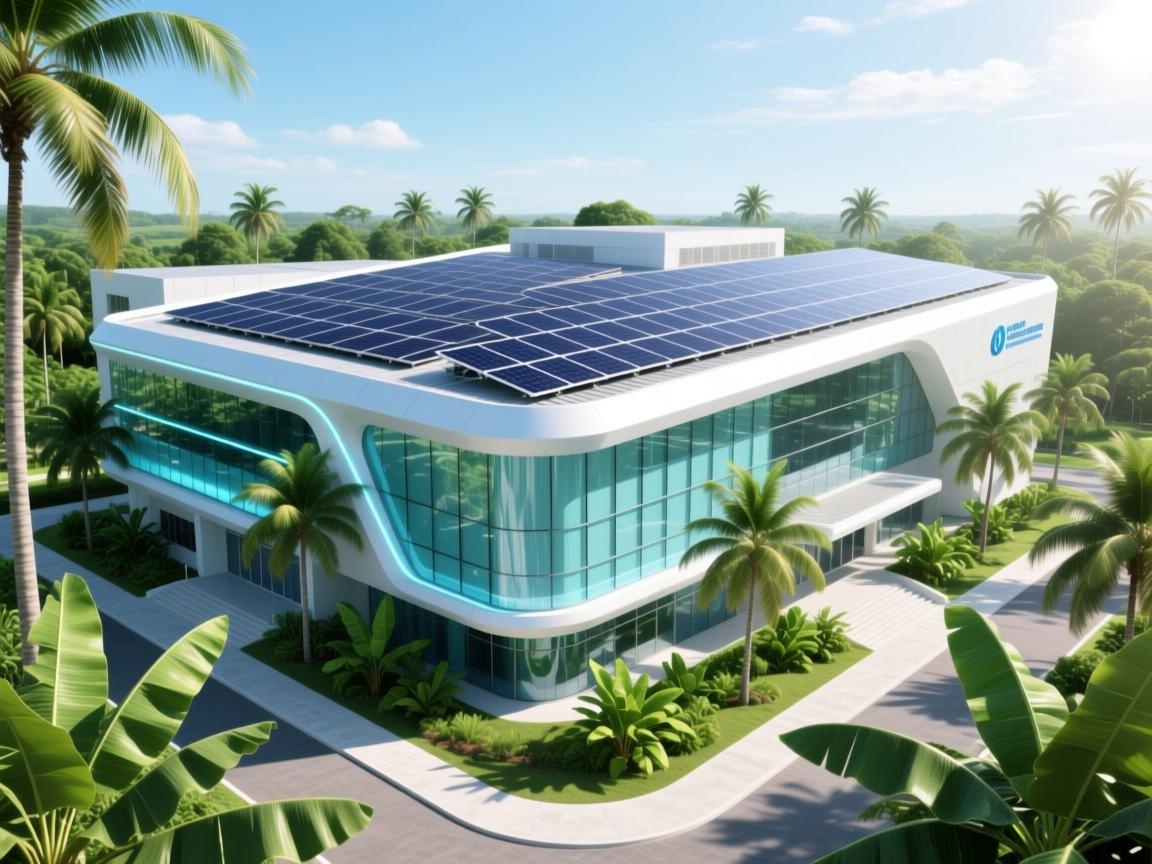
With the exponential growth in global demand for AI computing power, the high energy consumption and heat dissipation challenges faced by data centers have become the industry’s “Achilles’ heel.” As one of the fastest-growing economies in Southeast Asia’s digital sector, Vietnam is emerging as a new hotspot for global cloud providers and tech giants to establish data centers, thanks to its strategic location, stable policy environment, and a steady influx of foreign investment. Against this backdrop, traditional air-cooling technology can no longer meet the thermal management demands of high-density computing (such as GPU clusters), leading to the emergence of immersion cooling technology, which is set to reshape Vietnam’s data center infrastructure landscape between 2026 and 2032.
This article will provide a comprehensive analysis of the evolution of Vietnam’s data center immersion cooling market over the next six years, examining multiple dimensions including strategy, revenue, scale, competition, and challenges.
I. Market Size, Revenue, and Value Analysis
The year 2026 marks a pivotal milestone in the transition of Vietnam’s data centers toward green operations. It is projected that between 2026 and 2032, Vietnam’s data center immersion cooling market will undergo a significant leap from “initial adoption” to “large-scale deployment.”
Market Size and Revenue Growth: Vietnam’s immersion cooling market is projected to reach tens of millions of U.S. dollars in 2026. With the implementation of large-scale projects in Hanoi, Ho Chi Minh City, and surrounding emerging computing hubs, market revenue is expected to achieve a compound annual growth rate (CAGR) exceeding 25% by 2032.
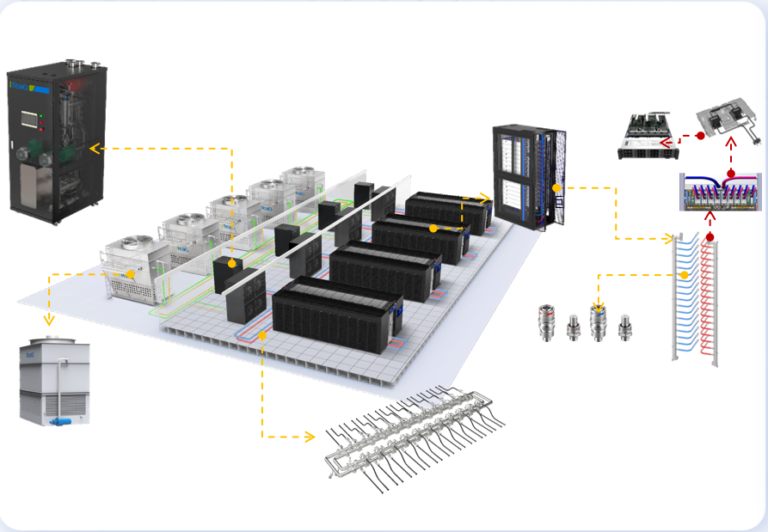
Value Chain Transformation: Immersion cooling not only reduces the system’s PUE (Power Usage Effectiveness) but also enhances the overall lifecycle value of data centers by lowering hardware failure rates. From coolant supply and customized immersion tanks to heat exchange modules, a complete, high-value-added industrial chain is rapidly taking shape in Vietnam.
II. Market Drivers and Demand Growth
Why Vietnam? Why immersion cooling? The following core drivers are fueling massive demand:
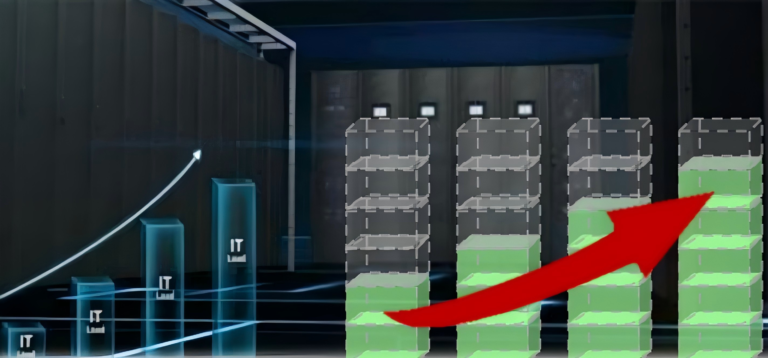
The Boom in AI and High-Density Computing: As generative AI applications are deployed both domestically in Vietnam and to serve global markets, the power density per rack has surged from the traditional 5–10 kW to as high as 30 kW or even over 50 kW. Liquid cooling has become the only viable cooling solution.
“Dual Carbon” Goals and Pressure for Sustainable Development: The Vietnamese government has committed to achieving net-zero emissions by 2050 and has implemented stricter energy efficiency regulations for energy-intensive data centers. Immersion cooling can reduce PUE to below 1.05, making it a strategic choice for enterprises seeking to meet ESG standards.
Capital Influx from Multinational Cloud Providers: Continued investment in Vietnam by AWS, Google, Microsoft, and Japanese and South Korean data center operators has directly driven demand for advanced Tier IV-level data centers. These new projects tend to adopt the latest generation of liquid cooling technology from the outset.
III. Market Segment Insights
To gain a more precise understanding of market trends, we need to conduct a segmented analysis of Vietnam’s immersion cooling market:
Segmentation by Coolant Type:
Fluorocarbon: Currently holds the dominant market share due to its excellent dielectric properties and chemical stability, but it is relatively expensive.
Hydrocarbons: With their high cost-effectiveness and eco-friendly properties, their market share is expected to rise rapidly after 2028.
Segmentation by Cooling Method:
Single-phase immersion cooling: With mature technology and low maintenance requirements, this will be the mainstream choice in the Vietnamese market from 2026 to 2029.
Biphasic Immersion Cooling: While offering extremely high heat dissipation efficiency, this technology is currently in the transition phase from pilot projects to commercialization due to issues related to coolant evaporation and environmental regulations.
Segmentation by Data Center Type: Categorized into hyperscale data centers, colocation data centers, and edge computing nodes. Hyperscale data centers will be the primary drivers of immersion cooling adoption.
IV. Competitive Landscape and Key Corporate Strategies
The Vietnamese immersion cooling market currently exhibits a competitive landscape characterized by “dominance by foreign hardware giants combined with integration by local IDC service providers.”
Global cooling equipment suppliers—such as Vertiv, Schneider Electric, Submer, and GRC (Green Revolution Cooling)—are actively establishing distribution and strategic partnerships with local Vietnamese data center developers to secure early market share.
Vietnamese and Regional Data Center Giants: Companies such as Viettel, VNPT, FPT, and the Vietnam branch of Southeast Asia’s STT GDC are pursuing a strategy of validating the ROI of immersion cooling through pilot projects, followed by large-scale tenders for new data center facilities.
Competitive Strategies: Currently, companies primarily rely on technology licensing and joint-venture manufacturing to reduce costs. Some leading firms have begun offering a “Cooling-as-a-Service” model to lower customers’ initial capital expenditures (CapEx).
V. Challenges and Limitations
Despite the promising outlook, the development of Vietnam’s immersion cooling market from 2026 to 2032 still faces significant constraints:
High initial capital expenditure (CapEx): The costs of immersion cooling tanks, specialized coolants, and custom server enclosures are significantly higher than those of traditional air cooling, creating a financial barrier for small and medium-sized IDC companies in Vietnam.
Shortage of Technical and O&M Talent: Immersion cooling imposes specific requirements on server architecture (such as removing fans and redesigning motherboards), and daily operations and maintenance require entirely new skill sets. Currently, there remains a shortage of qualified engineers with relevant expertise in Vietnam.
Supply Chain and Standardization Constraints: There is a high reliance on imports for coolants and core components, and the local supply chain ecosystem remains underdeveloped. Additionally, the industry lacks unified standards for liquid cooling hardware interfaces, leading to a high risk of vendor lock-in.
VI. Market Trends, Forecasts, and Investment Opportunities
Looking ahead over the next six years, Vietnam’s immersion cooling market will exhibit the following trends and investment opportunities:
Trend 1: Localized Manufacturing and Supply Chain Shifts. To reduce costs, localized production of cooling tanks and piping systems is expected to emerge around 2030, and multinational corporations may even establish coolant filling facilities in Vietnam.
Trend 2: Adoption of Hybrid Cooling Architectures. New data centers will no longer rely on a single cooling mode but will instead adopt hybrid architectures such as “air cooling + liquid cooling” or “cold plate + immersion cooling” to achieve the optimal balance between cost and efficiency.
Investment Opportunities:
Coolant Recovery and Recycling Services: As environmental regulations tighten, the treatment and recycling of waste coolant will become a blue-ocean market.
Smart Liquid Cooling Monitoring Software: Development of AI-based software for real-time adjustment of coolant flow and temperature, as well as predictive maintenance.
Retrofit Projects for Legacy Data Centers: Consulting and engineering services for liquid cooling upgrades at aging data centers in Ho Chi Minh City.
VII. Strategic Outlook
From a strategic perspective, the period from 2026 to 2032 will not only be a period of sales growth for immersion cooling equipment in Vietnam but also a critical phase for building the ecosystem. For industry participants:
Ecosystem collaboration is preferable to going it alone: Hardware manufacturers need to forge deep partnerships with local Vietnamese telecom operators and cloud service providers to jointly define cooling solutions suited to the local climate (tropical monsoon climate, characterized by high temperatures and humidity).
Pricing strategies must become more accessible: The initial “cream-skimming” pricing strategy should shift to “penetration pricing” as production capacity expands, to accelerate the adoption of immersion cooling in medium-density data centers.
Strengthen the ESG narrative: When competing for orders from multinational corporations, the carbon emissions reductions achieved through liquid cooling solutions should be quantified and converted into tradable data; this will become a key competitive advantage.
Conclusion
Between 2026 and 2032, Vietnam’s data center immersion cooling market is undergoing a historic transition from “early adoption” to “essential demand.” In this transformation driven by both AI computing power and carbon neutrality, technology providers, capital investors, and data center operators alike must deeply understand the market’s segment dynamics, identify key drivers, and overcome short-term challenges to reap long-term growth dividends in Vietnam’s fertile digital economy landscape.