Address
304 North Cardinal St.
Dorchester Center, MA 02124
Work Hours
Monday to Friday: 7AM - 7PM
Weekend: 10AM - 5PM

Address
304 North Cardinal St.
Dorchester Center, MA 02124
Work Hours
Monday to Friday: 7AM - 7PM
Weekend: 10AM - 5PM

Diligateups’ high-tech modular UPS
一、Challenges and Trends of Traditional Data Centers
2. Hard to scale up
As business demands have increased, the load factor has gradually risen, and space and equipment capacity have become limited.
New UPS systems are difficult to integrate with existing systems and environments; after deployment, system operating status is hard to monitor.
Compatibility between old and new power distribution systems raises new technical challenges, and it is difficult to expand UPS capacity without disrupting the stable power supply to critical loads.
Input/output cabling requires capacity upgrades or modifications to the original wiring structure, making construction difficult.
3.Traditional power distribution equipment is difficult to install and maintain
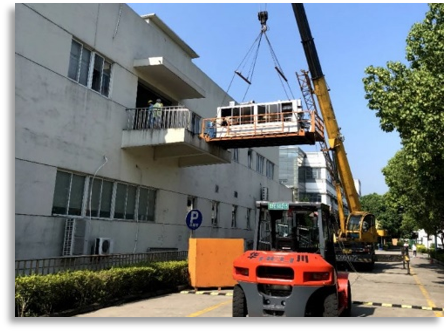
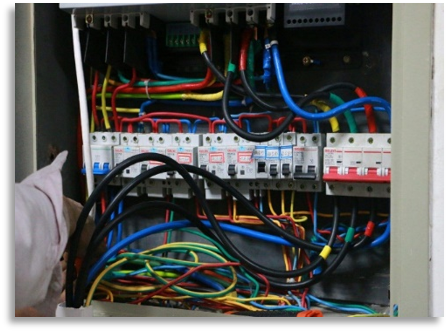
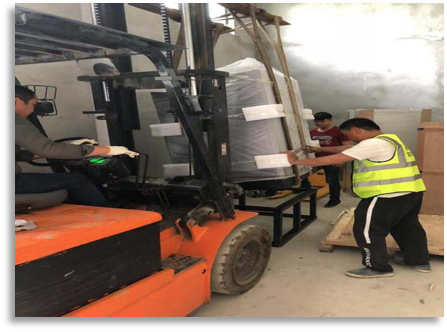
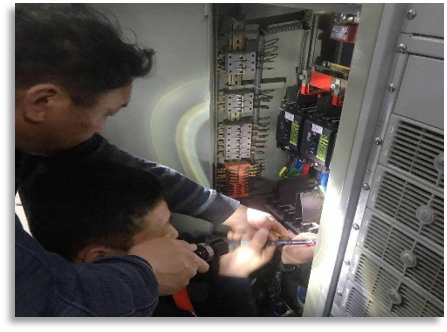
Difficulties with transportation, installation, and construction
Capacity expansion requires re-transporting and reinstalling complete distribution equipment
Bulky size with complex wiring
Heavy daily maintenance workload on O&M staff
Component failure requires power-off replacement — time-consuming
Non-specialists cannot perform maintenance, and troubleshooting is difficult.
二、High-frequency Modular UPS
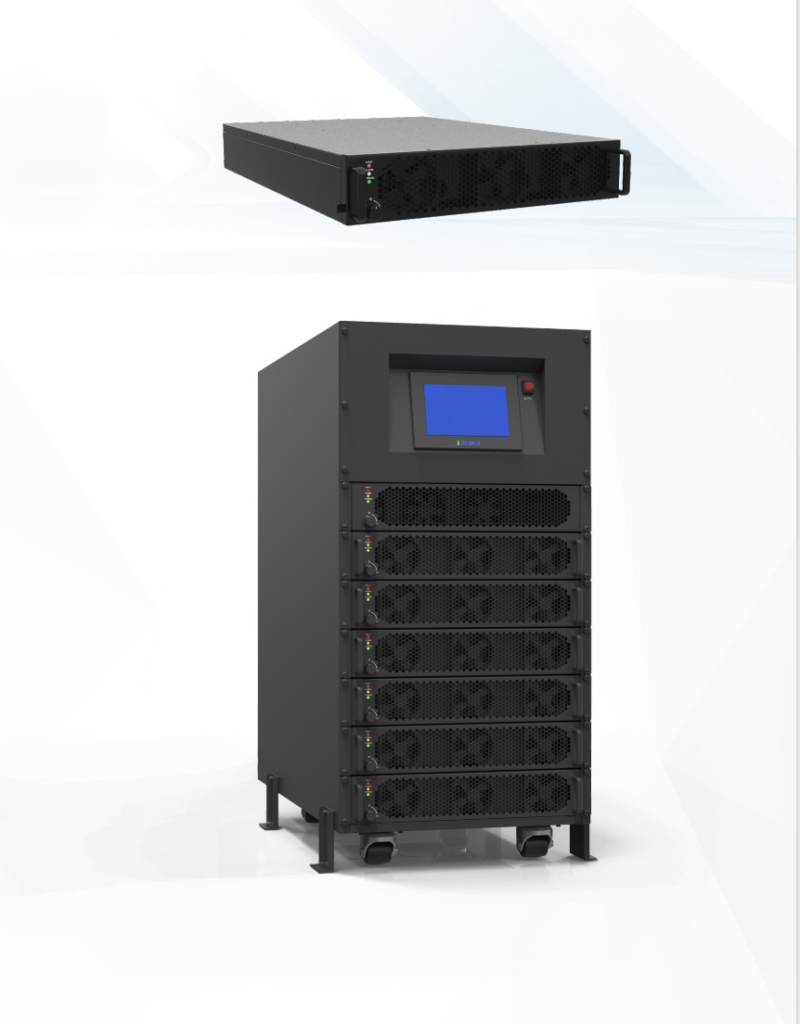
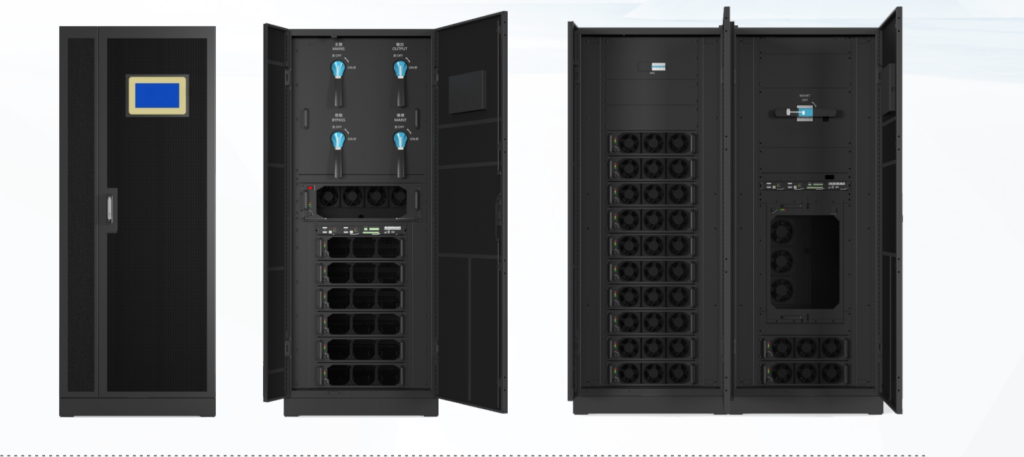
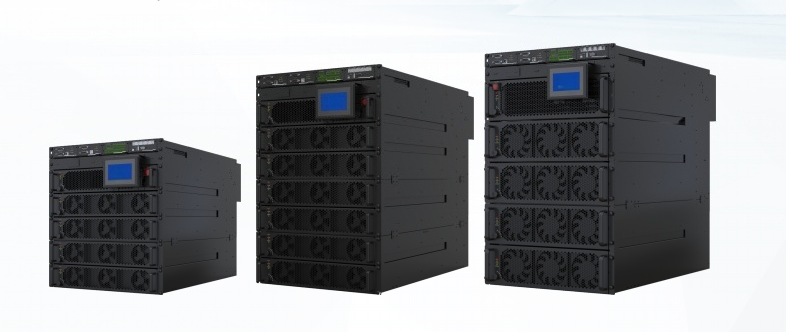
4. Application–Small and Medium-Sized Enterprise Data Centers
Telecommunications and Network Switching Rooms
Financial Branch Offices, Transportation Dispatch Centers, Security Systems, etc.
5. Design Philosophy

Reliable: Multiple layers of protection from input to output; Modular implementation of N+X redundancy; Comprehensive fault isolation measures; Comprehensive
reliability system.
High-efficient: High-efficiency operation across the entire load range; Smart Sleep and ECO modes; Further improvements in system efficiency
Easy to use: High-Power-Density Design; Modular Design for Easy Installation; Easy to Scale and Maintain
Intelligent: Intelligent Battery Management, Flexible Configuration; The integrated monitoring platform enables intelligent management across the entire network
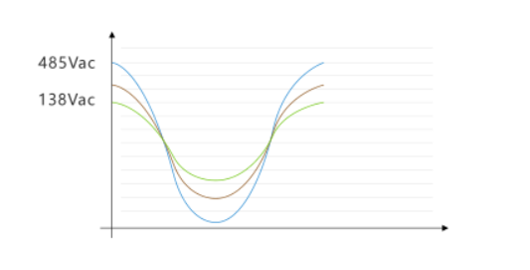
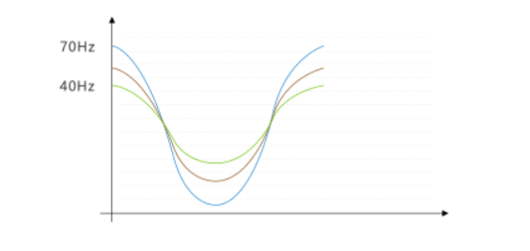
Superior grid adaptability
The widest input voltage and frequency range in the industry.
While reducing battery discharge frequency and extending battery life, it fully eliminates the impact of grid fluctuations on loads, ensuring stable and reliable power supply.
High Overload Capacity
High inverter overload capability — reduces bypass transfers, ensuring power quality for equipment
High bypass overload capability — 135% for continuous operation
Reduced risk of power outage
Seamless switchover upon any single-point failure
Centralized control and centralized bypass
If one path fails, the other takes over — eliminating single points of failure and improving system reliability by 30%
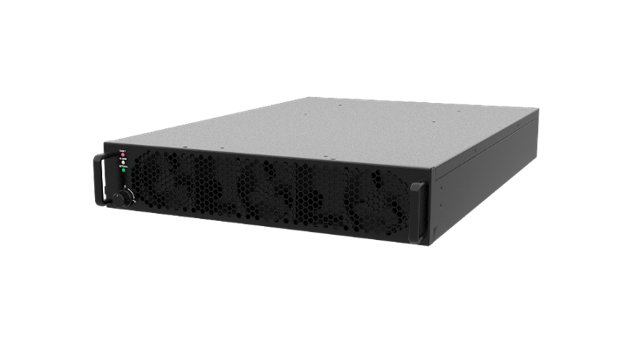
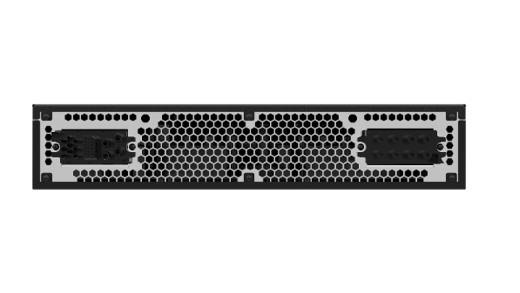
Leading cooling technology
With one fan failure, the system still carries 50% load; with two fan failures, it carries 30% load
Forced turbulence technology improves heat dissipation by 10%
Refined fan matching delivers an energy efficiency ratio 50% ahead of competitors
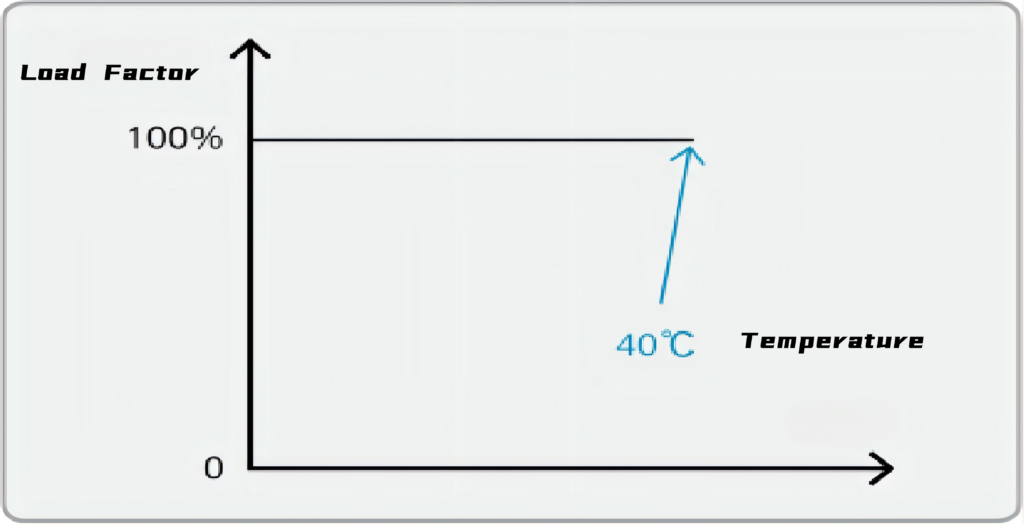
Based on a mature thermal design platform with optimized cooling and high-margin components, the UPS delivers full-load, non-derated operation at ambient temperatures from 0 to 40°C, significantly improving system reliability.
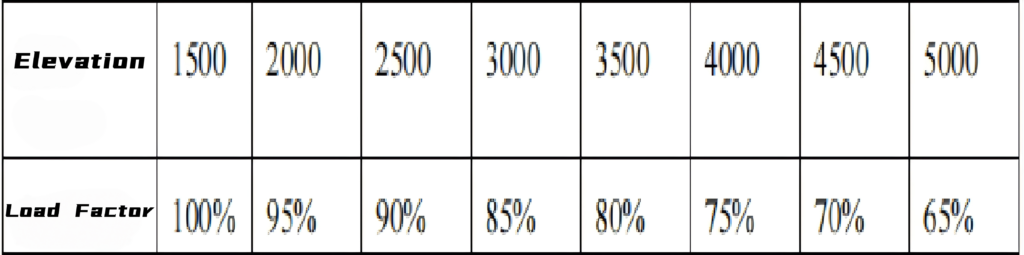
High-altitude design — no derating at altitudes up to 1,500 m
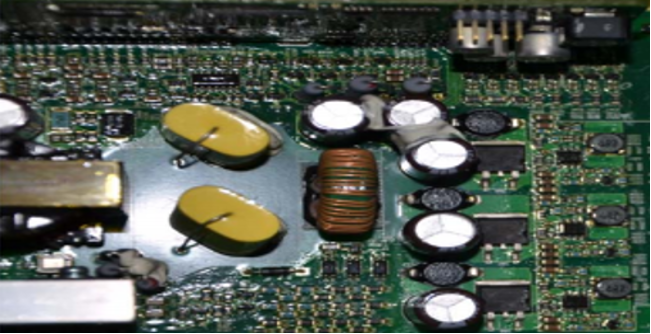
Using a dip-coating process with triple-protection varnish, this solution is suitable for harsh operating environments such as salt spray, dust, and high temperatures and humidity.
Green and energy-efficient design
Low Harmonics: Low-harmonic and soft-start technologies reduce the cost of diesel generator investments.
High Power Factor: The output power factor (PF) can reach 1, allowing for an 11% higher load capacity than traditional UPS systems. This effectively reduces grid pollution and avoids the dilemma faced by traditional UPS systems, where pollution occurs first and remediation follows
Hardware Optimization, Optimal Algorithms
Hardware Optimization, Optimal Algorithms
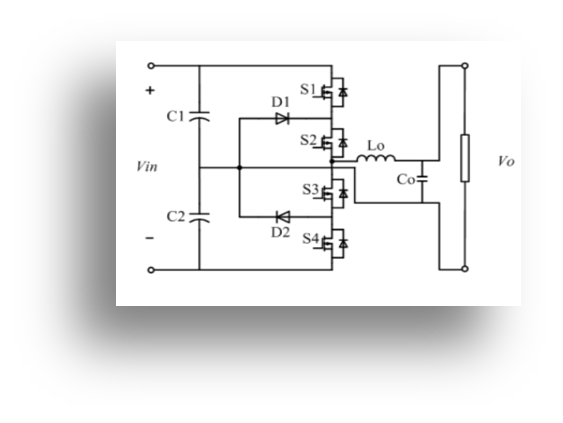
The inverter employs a high-efficiency topology and optimized wiring to effectively reduce stress losses in the switching devices; dynamic current sharing technology reduces losses in the power devices of the rectifier section;
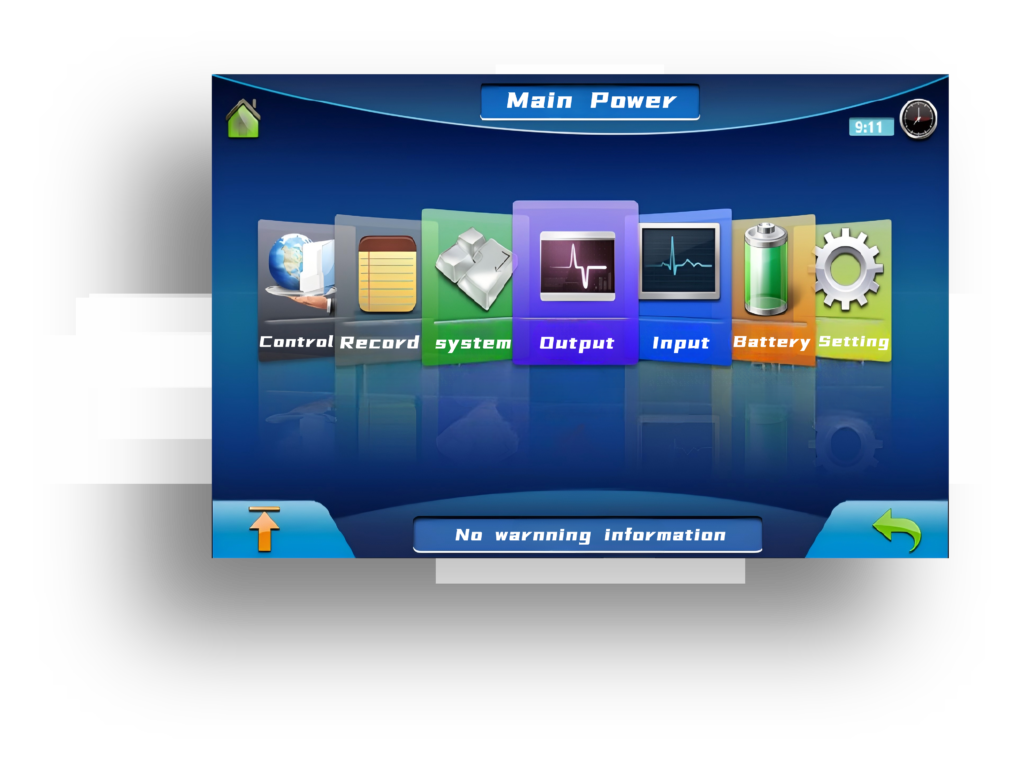
Drawing on control algorithms from communication platforms, it monitors internal states and adjusts parameters accordingly
Superior cooling & premium components
Optimized thermal design — lower fan losses
5th-gen IGBTs from top-tier vendors — significantly reduced switching losses
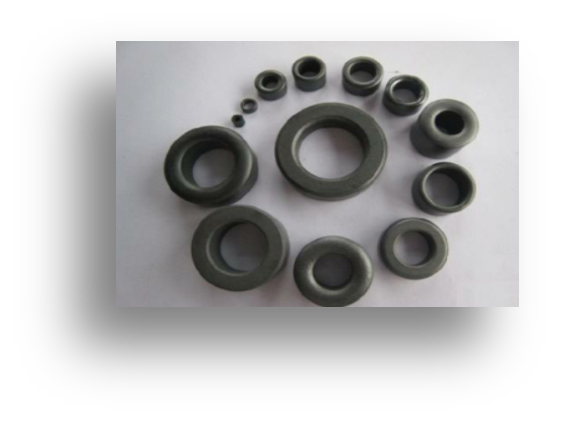
High DC-bias performance magnetic cores — reduced inductance & magnetic losses